How it works
A live model, played like an instrument.
UNSTILL sits between your hands and Visko Orbis. It turns presses into prompts Orbis reads well, times them to the stream, and remembers every take.
The session. Eight steps, one stream.
Mint a session
The server swaps your Reactor key for a one hour token scoped to Orbis only.
POST /api/token
Connect live
The browser opens a WebRTC session and receives picture and sound tracks.
main_video · main_audio
Anchor the frame
For a photograph: upload, set as the first frame, wait for Orbis to confirm.
set_image
Build the world
One opening prompt describes everything, then generation starts.
set_prompt → start
Listen to the beat
Every completed chunk is an event. The studio counts them.
chunk_complete
Release a directive
At most one change per settle window, written as one visible change.
set_prompt
Stamp the take
Each change is saved with the chunk it landed on, next to the seed.
seed + beats
Cut or hold
Pause, resume or reset. Releasing the GPU ends the session and the billing.
pause · reset
Continuity compiler
You press Rain. Orbis reads this.
The opening builds the world once. Every prompt after it names a single visible change in physical nouns and verbs. No negations, no redescribing. These are the exact strings the studio sends for The Corner.
Wide shot, eye level, static camera on a tripod, deep depth of field. A street corner in an old city neighborhood: a red brick five storey building with black fire escapes, a corner bodega with a green awning and a lit sign, a yellow taxi at the curb, a painted crosswalk and cast iron lamp posts. A warm amber dusk sky, long soft shadows, the shop signs and street lamps glowing, dry clear air, a few pedestrians in coats passing at a walking pace. Photorealistic.
Rain begins to fall. The asphalt and sidewalk darkens and turns wet, reflecting the shop signs and street lamps.
Night falls. The sky deepens to night blue, and the shop signs and street lamps glow brightly, casting warm pools of light on the asphalt and sidewalk.
The pedestrians in coats walk out of frame one by one, leaving the asphalt and sidewalk empty and still.
Chunk gated release
On the beat. Never on top of it.
Orbis generates in chunks of about 1.8 seconds and morphs at their edges. Send prompts faster than that and they compete. The studio holds directives in a visible queue and releases one every two chunks. A newer change to the same control replaces the older one.
Takes
Same seed. Same world.
Orbis is deterministic for the same seed and the same prompt sequence. A take stores both, with each beat stamped by chunk. Export it as a small file, import it anywhere, replay it.
{
  "number": 1,
  "watchId": "corner",
  "seed": 30837,
  "opening": "Wide shot, eye level, static camera...",
  "beats": [
    { "chunk": 22, "label": "Weather: Rain",
      "prompt": "Rain begins to fall..." },
    { "chunk": 24, "label": "Hour: Night",
      "prompt": "Night falls..." }
  ]
}
Proof
One session. Three moments.
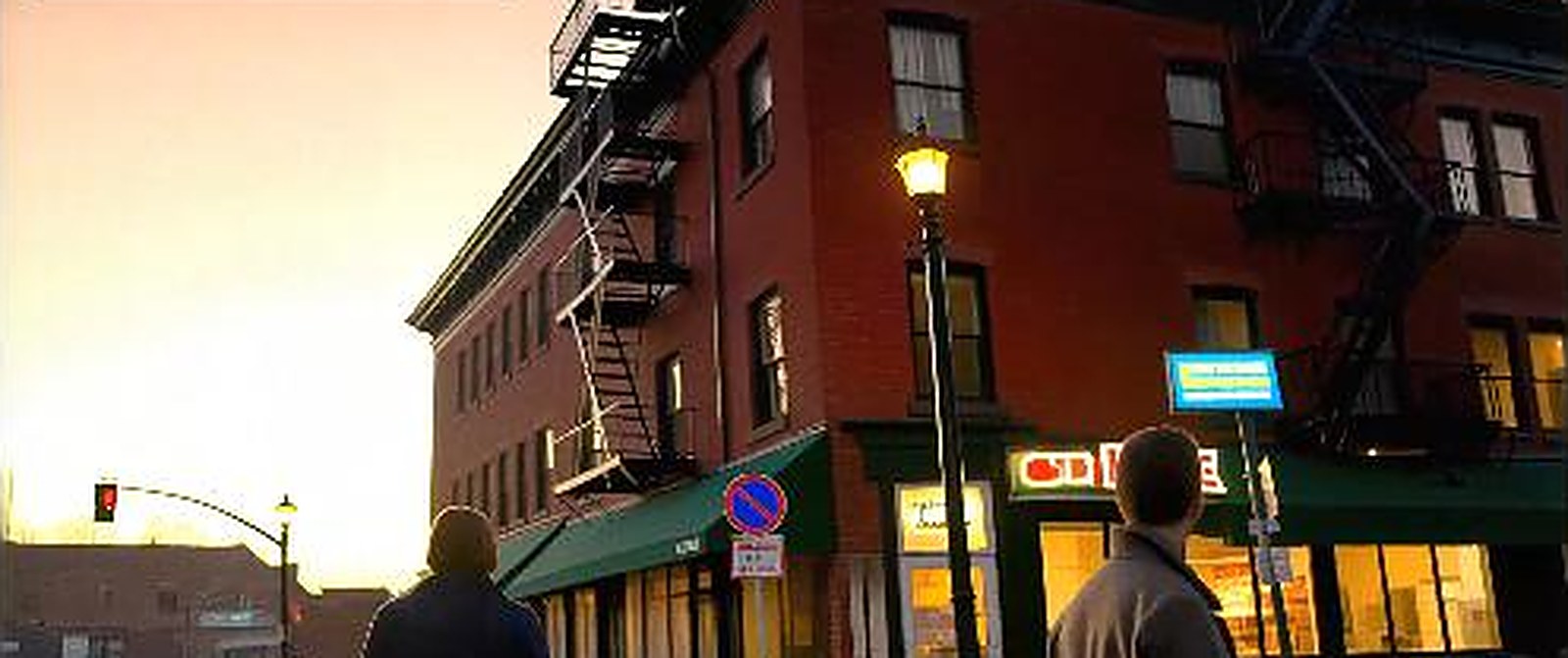 CH 016
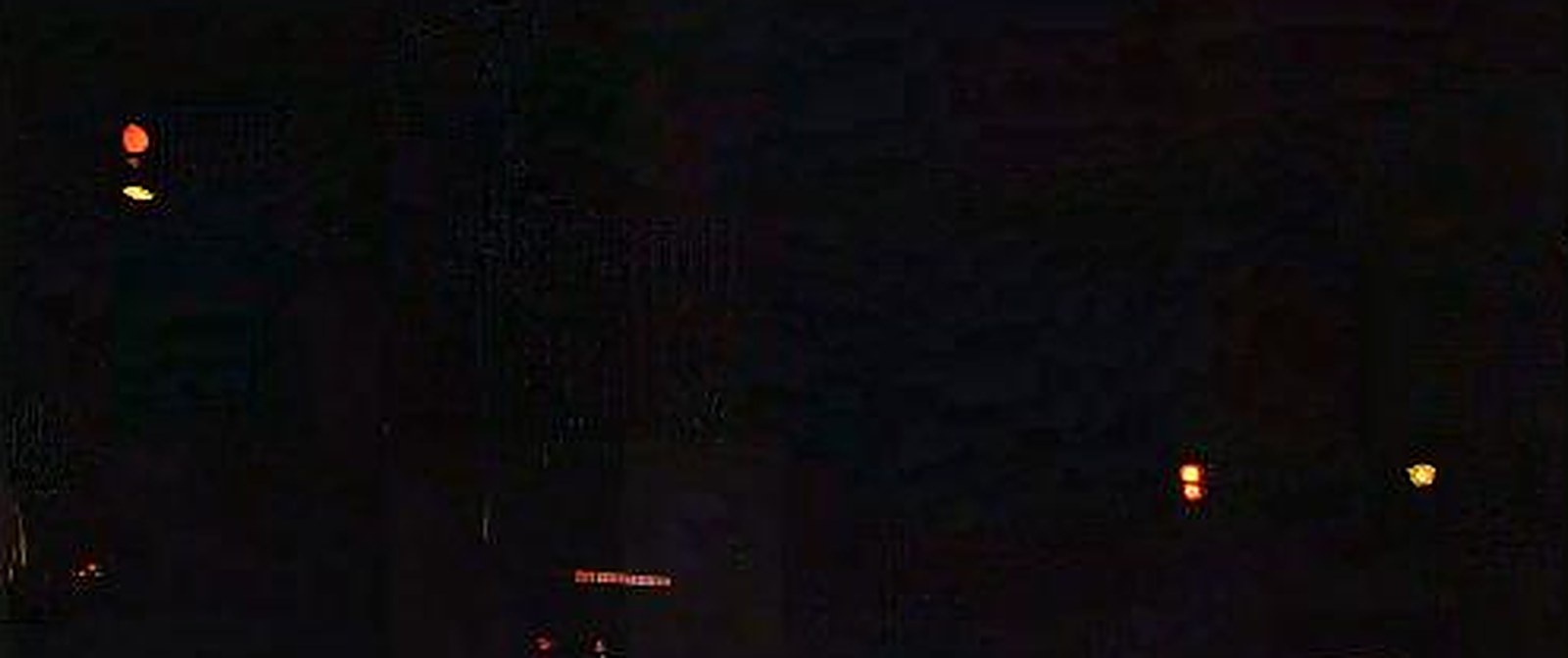 CH 029
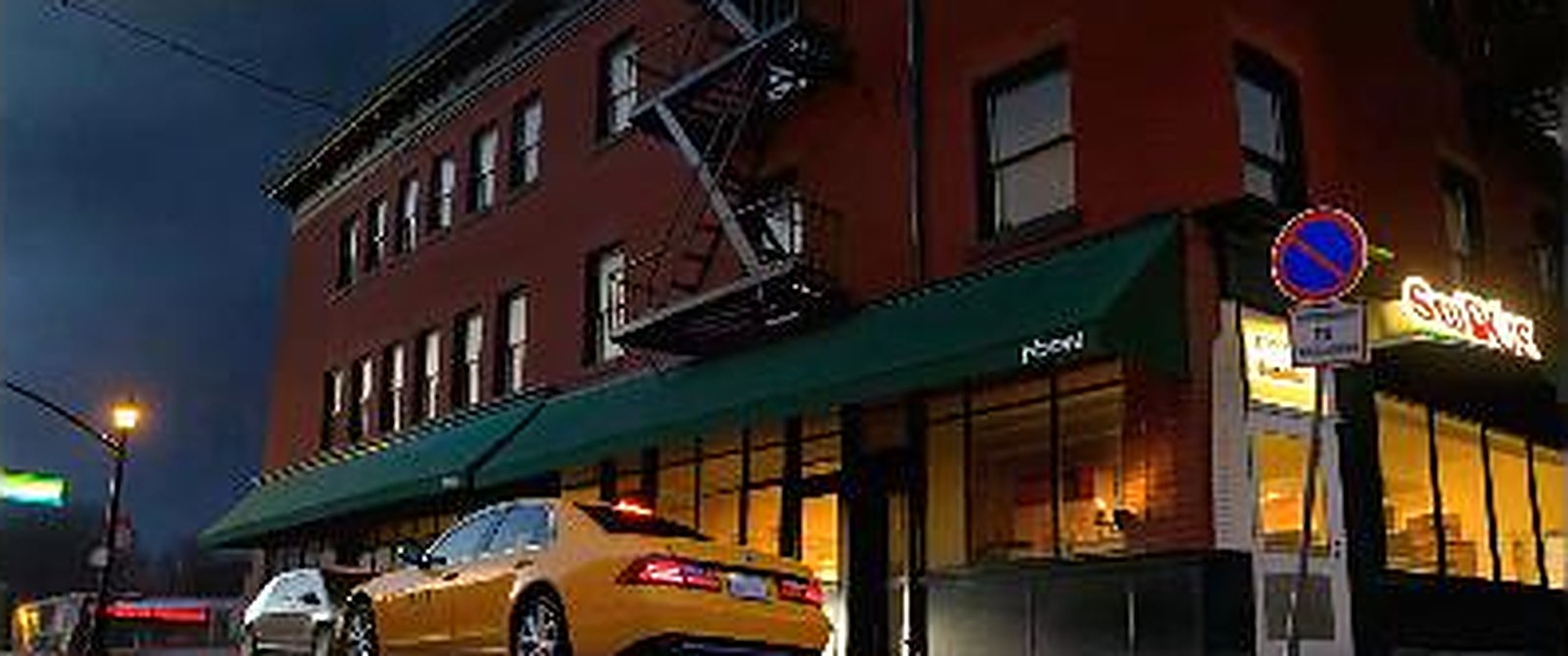 CH 039
One session · seed 30837 · 1.8 s per chunk · no cuts, no re-renders
Built for the judging criteria
Live is the product. Not a feature.
Real time interaction
Every control steers a running stream. Take Orbis away and nothing in UNSTILL still works.
Creativity
Live place direction is a new category: one instrument for film, retail, robotics and your own photos.
Functionality
Roll, direct, run a cue sheet, cut, replay. A public build, nothing simulated.